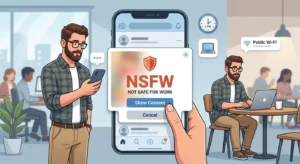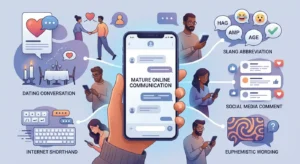
Sexual slang is informal language used to discuss sexual topics, attraction, relationships, or body-related subjects. Unlike medical terminology, it is usually casual, humorous, indirect, or sometimes vulgar.
Key Takeaways
- Sexual slang is a broad category, not one specific abbreviation.
- It can include euphemisms, informal expressions, and internet shorthand.
- Some terms describe attraction or dating, while others refer to sexual topics.
- The same word can have a sexual or nonsexual meaning depending on context.
- Sexual slang can range from relatively mild to vulgar or offensive.
- Clear, respectful language is generally better for school, work, and formal communication.
Sexual Slang Meaning in Text
Sexual slang refers to informal words and phrases connected with sex, sexuality, attraction, dating, or related subjects. These expressions may be shortened, humorous, metaphorical, or intentionally indirect.
In texting and social media, people may use slang because it feels more casual than formal terminology. Some expressions also develop as euphemisms or alternative spellings.
The important point is that sexual slang is a category of language rather than one particular texting term. Different expressions have different meanings, and context matters.
What Does Sexual Slang Stand For?
Sexual slang does not have a single full form.
It is a general term for informal vocabulary related to sexuality. It is therefore different from an acronym such as “FWB,” which has a specific expansion.
Sexual slang can include language about:
- Attraction
- Dating and relationships
- Sexual topics
- Body-related subjects
- Sexual behavior
- Euphemisms for sensitive subjects
The exact meaning depends on the individual expression.
How Is Sexual Slang Used?
Sexual slang can appear in informal communication, including:
Text Messages
People may use informal expressions when talking about dating, attraction, or personal topics.
DMs
Private messages may contain casual shorthand or euphemisms that would sound unusual in formal writing.
Group Chats
Friends sometimes use slang jokingly when discussing relationships or dating.
Social Media
Informal expressions can appear in posts, comments, memes, and discussions. Online communities can also develop their own meanings for particular words.
The same expression may have a completely different meaning outside a sexual context.
Sexual Slang in Different Contexts
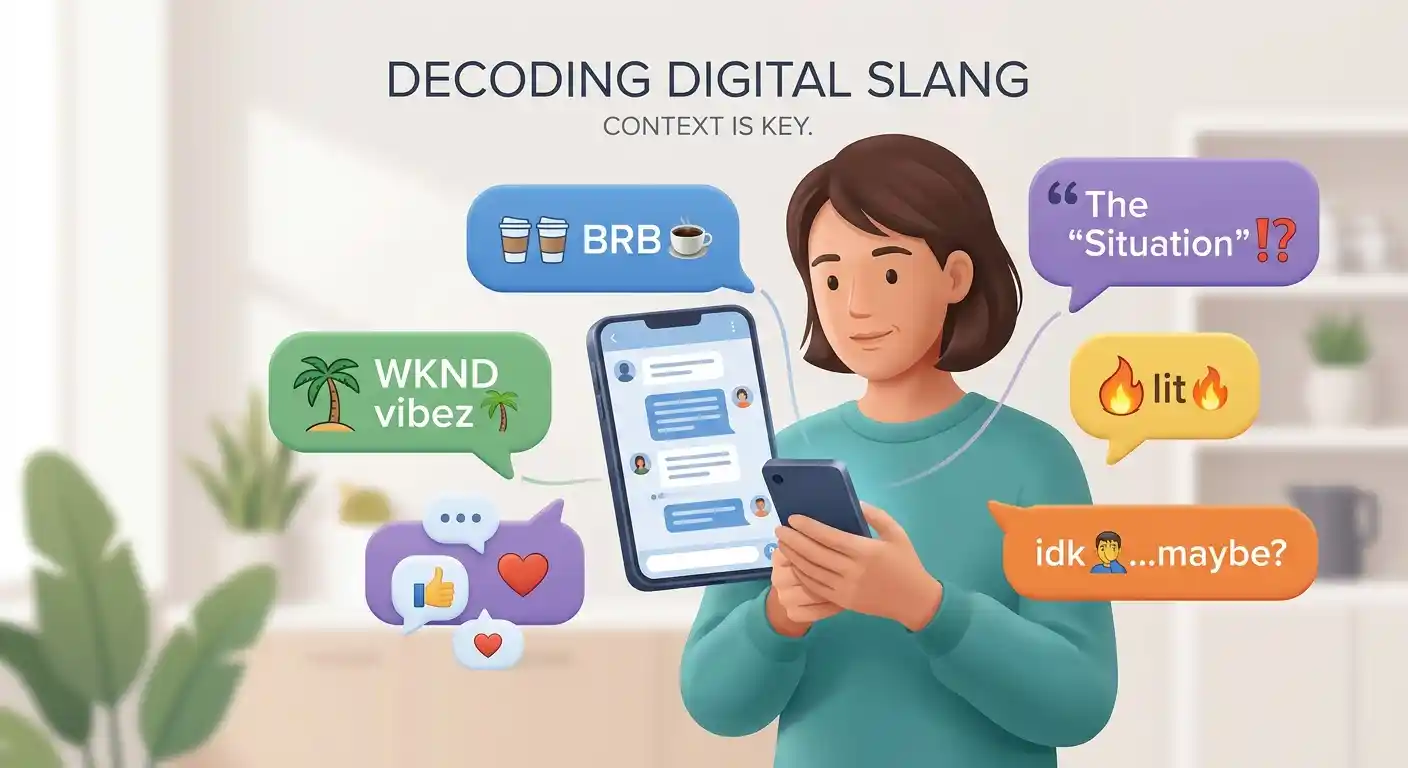
Context is especially important when interpreting slang.
From a Friend
A friend might use an informal expression as a joke or while discussing dating. That does not automatically mean the message has a romantic meaning.
From a Crush
A sexual or suggestive term by itself does not prove that someone is attracted to you. The rest of the conversation provides important context.
In Dating
Slang can be used when discussing attraction, dating expectations, or relationships. The exact meaning depends on the particular term.
In a Relationship
Partners may use informal language that would sound unusual in formal communication. That does not give every slang expression a special relationship meaning.
In a Group Chat
A term may be used humorously or as part of an inside joke. The surrounding messages can help clarify what someone intended.
On Social Media
Some expressions have developed new meanings through online communities. A word that has a sexual meaning in one conversation may have an unrelated meaning somewhere else.
From a Guy or Girl
The definition of a slang term does not automatically change based on the sender’s gender. Meaning comes from the words used and the surrounding context.
Real Chat Examples
Because sexual slang can be explicit, these examples focus on understanding and interpreting the language rather than describing sexual activity:
- “What does that slang mean?”
- “I saw that term online and didn’t understand it.”
- “Is that a dating term?”
- “Does that word always have a sexual meaning?”
- “I think they were using it as a joke.”
- “Can you explain that abbreviation?”
- “I’ve heard that phrase before, but I’m not sure what it means.”
- “Does this have another meaning?”
- “I don’t understand the slang in that message.”
- “Is that expression considered rude?”
- “What does that abbreviation mean in this context?”
- “I think I misunderstood what they meant.”
- “Is that slang appropriate to use at school?”
- “Can you explain it in plain English?”
- “Does the context change the meaning?”
- “I’ve only seen that word used online.”
- “Is that a slang term or a medical term?”
- “What does that phrase mean in dating?”
- “Could that word mean something completely different?”
- “I’d rather use a more respectful term.”
How to Reply to Sexual Slang
If you receive an unfamiliar term, you do not need to guess what it means or repeat it.
Casual Replies
- “What does that mean?”
- “I’ve never heard that term before.”
- “Can you explain it?”
Friendly Replies
- “Wait, what does that mean? 😭”
- “I’m lost on that slang.”
- “You’ll have to explain that one.”
Funny Replies
- “Okay, I clearly missed that internet lesson 😂”
- “My slang dictionary needs an update.”
- “I’m going to need an explanation for that one.”
Neutral Replies
- “I’m not sure what you mean.”
- “Could you say that another way?”
- “I don’t understand the expression.”
Setting a Boundary
- “I’m not comfortable discussing that.”
- “Let’s change the subject.”
- “I’d rather keep the conversation appropriate.”
What Tone Does Sexual Slang Have?
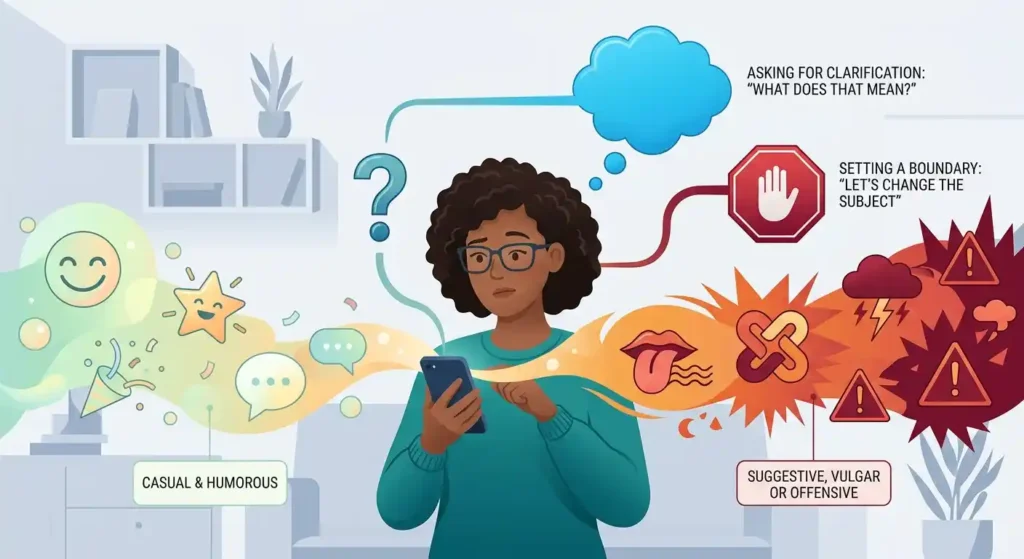
There is no single tone for sexual slang. Individual expressions may be:
- Casual
- Playful
- Humorous
- Indirect
- Suggestive
- Vulgar
- Offensive
- Context-dependent
A slang term’s tone cannot always be determined from the word alone. The conversation, audience, and relationship between the people involved can change how it is understood.
Is Sexual Slang Rude or Offensive?
Some sexual slang is merely informal, while other expressions can be vulgar, insulting, or offensive.
It is generally better to avoid sexual slang in:
- School assignments
- Professional emails
- Workplace communication
- Formal writing
- Official communication
Some expressions can also function as insults or slurs, so their use can carry meanings beyond the sexual topic itself.
When discussing health or anatomy, standard terms are usually clearer and more precise than slang.
Other Meanings of Sexual Slang
Sexual slang is a category, not a technical acronym, so it does not have separate standard meanings in technology, finance, business, or sports.
However, individual words can have unrelated meanings in other fields. For example, a word used as sexual slang in one conversation may have an ordinary meaning in another.
Always consider the surrounding sentence before deciding that a term is sexual.
Common Mistakes About Sexual Slang
Assuming Every Informal Word Is Sexual
Some words have ordinary meanings as well as slang meanings. Context determines which interpretation fits.
Assuming Sexual Slang Always Means Flirting
A sexual term does not automatically prove attraction, flirting, or romantic interest.
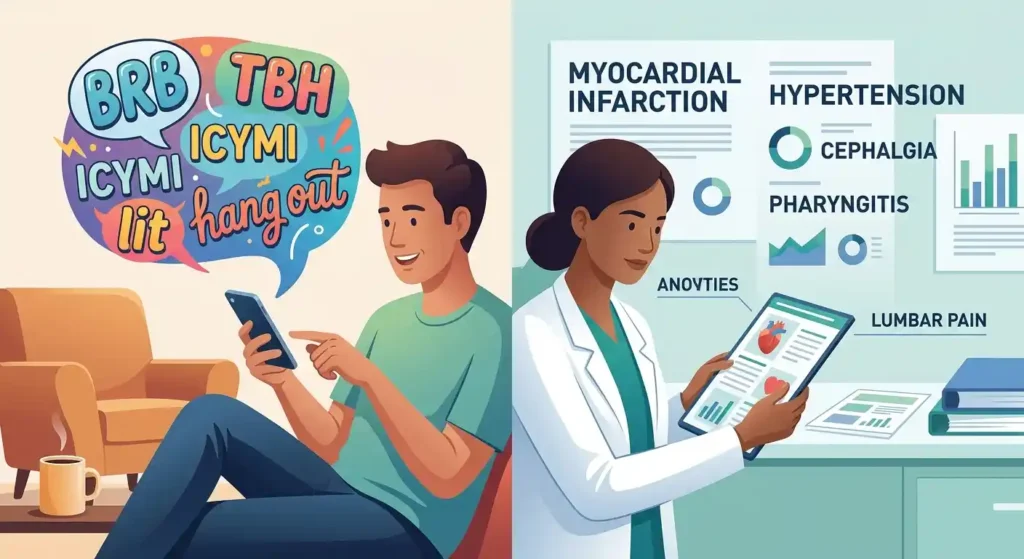
Confusing Slang With Medical Language
Slang can be vague or humorous. Medical terminology is designed to describe anatomy and health-related subjects more precisely.
Assuming One Meaning Applies Everywhere
Internet communities can give words new meanings, while older expressions can change over time.
Assuming Slang Is Always Offensive
Not every informal sexual expression is equally offensive. Tone, audience, setting, and the particular word all matter.
Sexual Slang and Related Slang
| Term | Meaning | Common Use |
|---|---|---|
| FWB | Friends with benefits | Informal relationship discussions |
| Sneaky link | A secret or discreet romantic or sexual connection | Online relationship slang |
| Body count | A slang expression that can refer to the number of someone’s sexual partners | Dating discussions |
| Seggs | An altered spelling of “sex” used in online communication | Internet slang |
| Player | Someone perceived as pursuing multiple romantic interests | Dating discussions |
These terms do not all mean exactly the same thing. Some relate to relationships or attraction rather than sexual activity itself.
People Also Ask About Sexual Slang
What is sexual slang?
Sexual slang is informal language connected with sexuality, attraction, dating, or related subjects. It can include euphemisms, abbreviations, metaphors, and casual expressions.
Is sexual slang the same as medical terminology?
No. Medical terminology is intended to describe health and anatomy precisely, while slang is informal and can be vague, humorous, or indirect.
Can sexual slang have more than one meaning?
Yes. Some words have both sexual and nonsexual meanings. The surrounding conversation is often necessary to determine which meaning applies.
Does sexual slang always mean someone is flirting?
No. A slang expression alone does not establish romantic or sexual interest. The broader conversation and relationship context matter.
Is sexual slang appropriate for school?
Generally, sexual slang is not appropriate for school assignments or formal school communication. Standard, respectful language is usually a better choice.
Why does sexual slang change?
Slang changes as communities create new expressions and older terms develop new meanings. Online communication can also introduce euphemisms and alternative spellings.
What should I do if I don’t understand a sexual slang term?
You can ask the person what they mean, check the context, or choose not to respond to the topic. You do not need to use unfamiliar slang yourself.
Conclusion
Sexual slang is a broad category of informal language related to sexuality, attraction, dating, and other sensitive subjects. It has no single full form, and individual expressions can have different meanings depending on context. Some terms are casual, while others are vulgar or offensive, so audience and setting matter when interpreting or using them.

For three and a half years, Charlotte Reed has worked as a writer shaping puns and jokes around distinct subjects and vocabulary. She covers food, animals, seasonal themes, technology, entertainment, and trending topics. Her process includes examining topic-specific language, building wordplay from relevant terms, and editing punchlines for sharper phrasing, structure, and comedic timing.